As I summarized in The ‘Battle at McIntire’s Farm’, on October 3, 1780 Lord Cornwallis sent Maj. John Doyle on a foraging party north... The post Avenging Francis Bradley, the Mecklenburg Marksman: A Family Story appeared first on Journal of the American Revolution. via Avenging Francis Bradley, the Mecklenburg Marksman: A Family Story — Journal of…
A slain patriot, a historic letter and the push to preserve a NJ battlefield – Jerry Carino, App.com

In the title, "A slain patriot, a historic letter and the push to preserve a NJ battlefield" of an article by Jerry Carino for Asbury Park Press, the words "historic letter" caught my eye. The image of the letter got me to read, but about half-way down, there is a line about this being the only surviving…
How Tall was the Average Eighteenth-Century Soldier? — Kabinettskriege
Photo Credit: Tom George Davison PhotographyDear Reader,One of the most pernicious and hard to eradicate myths about the eighteenth-century is that people were quite short, roughly 3/4ths the size of Americans today. Visitors to historic sites and reenactments frequently offer it as an example of their knowledge of the period, or inquiry regarding soldiers' height. In……
A Break in the Action
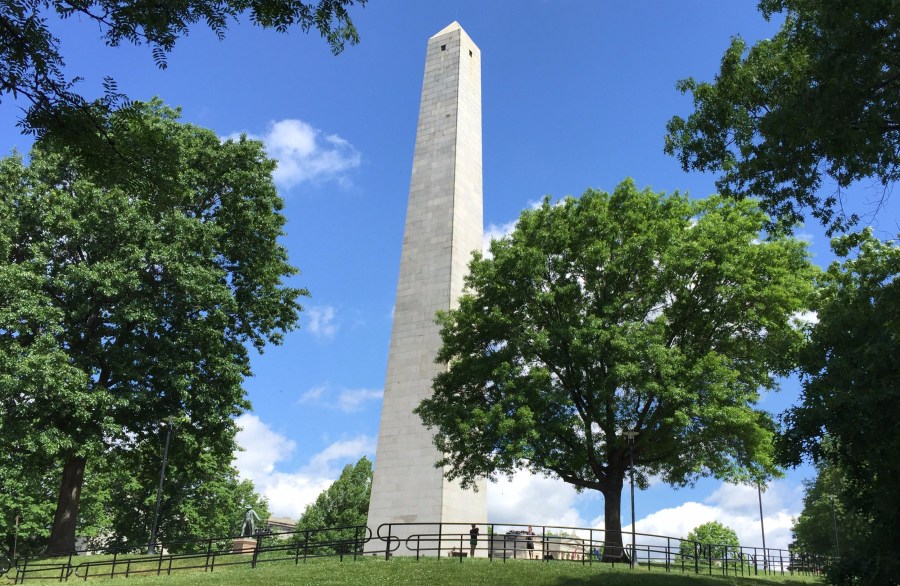
The Americans and British around and in Boston in the last weeks of June and early July of 1775 needed some time to take stock, bury the dead, heal the wounded, and determine what to do next. During the aftermath of the Battle of Breeds Hill, there was no other place on Earth where sorrow…
Charlestown Ablaze

242 years ago on June 17, 1775, Charlestown was set ablaze to drive out three companies of American militia. At the outset of the Battle of Breeds Hill, these militiamen had taken positions on the north side the town. As the ranks of redcoats marched up the slope of Breeds Hill to Warren's Redoubt the militiamen and fired into their ranks, likely taking a hundred or more out of the battle before the main action got started. Imagine you are in the militia with these men.
Iroquois Network has Complete Coverage
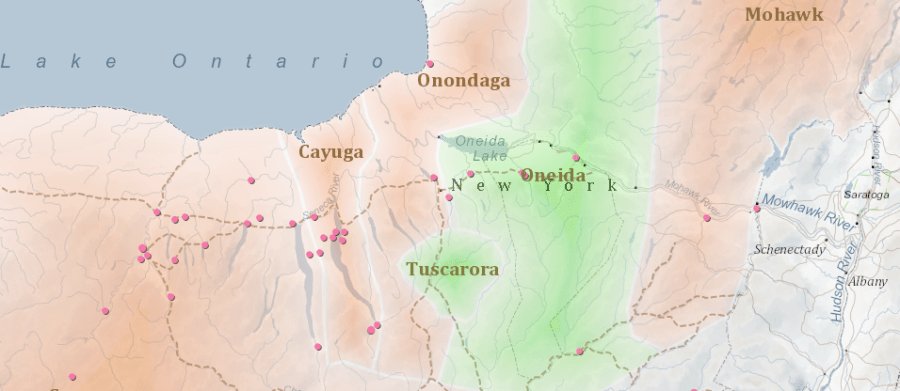
In an earlier post, I described using Geographic Information Systems (GIS) to facilitate my research to trace Isaac Frye's path through the American Revolutionary War. Occasionally using GIS produced more than just a map; it produced new historical insight. One such instance occurred while researching Sullivan's Expedition, or as it is sometimes called, the Iroquois…
On the Elusive History of Brigadier General James Reed

I use the term "elusive" because I had questions about James Reed's service in Quebec (May and June of 1776) that I was unable to answer as I wrote about him in The War has Begun. The biographical sketches I found only agreed agreed on one fact: that he was rendered blind due to a "malignant" illness he acquired at Crown…
Philip Schuyler: Crisis Manager

As I researched how Sullivan's Brigade made its way north from Albany to Fort Ticonderoga in the late spring of 1776, I came across a remarkable document. It was a project plan...
Mapping the Path Taken 240 Years Ago
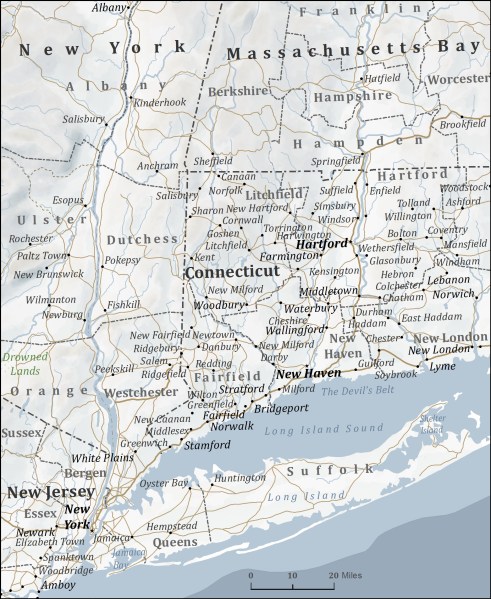
When I started researching Isaac Frye, I had the easy-to-say idea of tracing his path on a map as he made his way through the American Revolution. So, how can you really know where someone walked, slept, or rode two hundred and forty years ago? In truth, most of the time you cannot. As I…
Using GIS to Research Isaac Frye
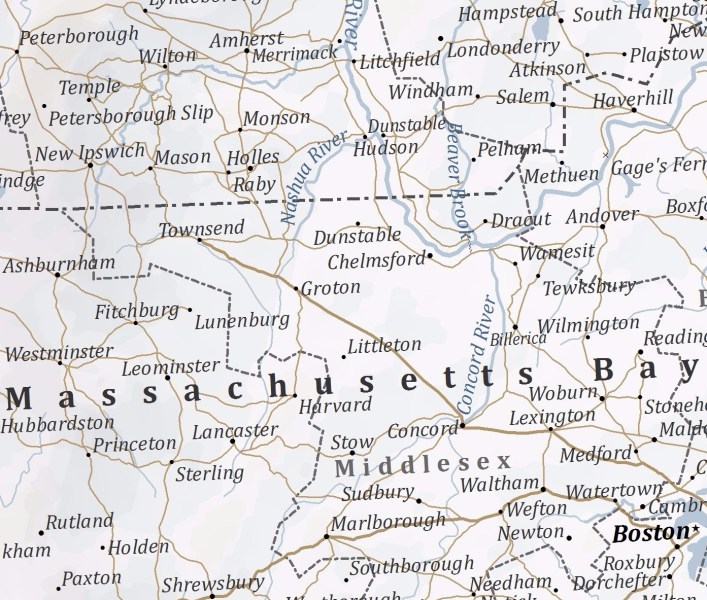
When I started learning about Isaac Frye, one my earliest goals was to put a pencil on the map, so to speak, and trace where he went during the American Revolution. Geographic Information Systems software, commonly called GIS, turned out to be the perfect solution.
 Duty in the Cause of Liberty